Our founder series on Michael Oscar Esio and the building of Africacomicade, Part II
The First Believers
Africa’s gaming market is worth an estimated $1.8 billion. Yet less than 3 percent of that money reaches African developers.
For Michael Oscar Esio, those two facts capture the problem he has spent the past six years trying to solve. But building the structures to close that gap would require people willing to believe in the vision before there was much evidence to point to.
One of the earliest signs came when Peter Vesterbacka, the creator behind Angry Birds, agreed to speak at one of Africacomicade’s first programs.
Vesterbacka joined virtually, but for Michael, the moment meant more than having a recognizable name on a schedule.
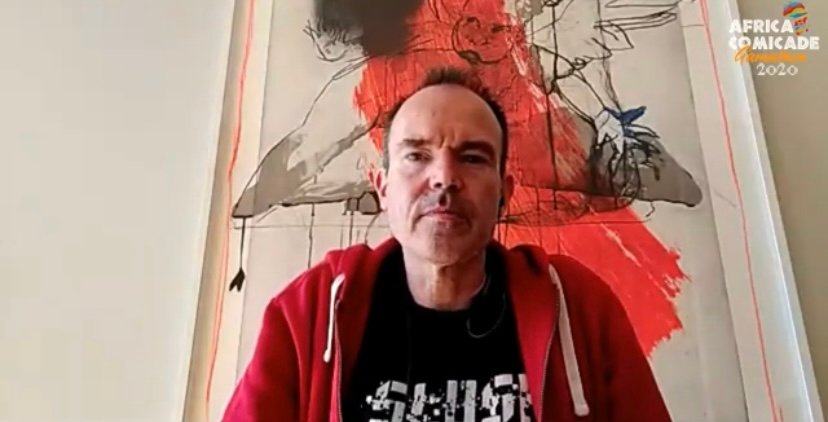
For a young community of African creators, the opportunity to speak with someone who had helped build one of the world’smost recognizable games was difficult to ignore. Participants could ask questions and hear directly from someone who had navigated the global industry.
“People couldn’t believe they were getting the opportunity to interact with someone who had built one of the world’s most recognizable games,” Michael says.
It also gave Africacomicade credibility at a time when the organization was still trying to explain itself. Gaming in Africa was often treated as a hobby or a small corner of the technology sector. Michael was arguing for something bigger: an industry connected to software, art, storytelling, music, education, advertising, and culture.
The people who believed early became important. Michael describes them as some of Africacomicade’s biggest fans. They offered visibility, social support, and, in some cases, financial backing while the organization was still finding its footing. That support mattered because building an ecosystem can be lonely.
There was no established African gaming industry Michael could point to. There were no deep networks of founders, publishers, investors, and experienced operators waiting to provide guidance. There was mostly uncertainty, and the people willing to stay close to the work.
Talent Is Not the Problem
Michael is careful not to describe Africa’s gaming challenge as a talent problem. The continent has artists who can create distinctive visual worlds, programmers building with limited tools, and writers, musicians, animators, designers, and producers whose skills fit naturally into game development.
What is missing is structure.
Game development is often imagined as one programmer working alone. In reality, it is closer to film or music production. A game may begin with an idea, but bringing it to life requires programmers, artists, animators, writers, sound designers, producers, marketers, community managers, and business operators.
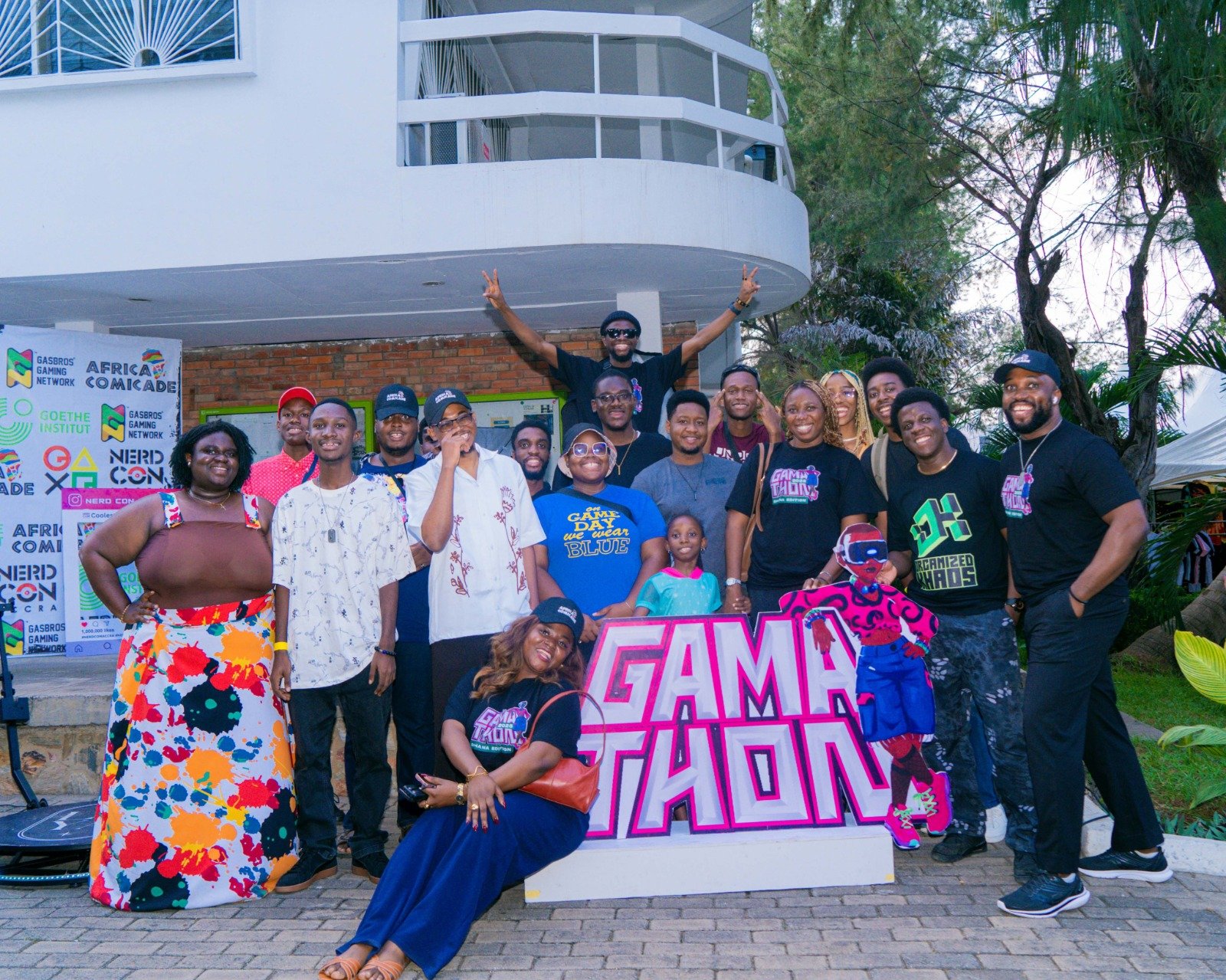
Michael often compares it to music. A song may carry one artist’s name, but behind it are producers, sound engineers, managers, video directors, and marketers. Games work in much the same way.
That broader view explains why many people trained in game development eventually move into other fields. They may begin by learning to build games, then move into software, animation, motion graphics, advertising, architecture, or 3D design.
Michael does not see that as failure.
The skills are valuable. The problem is that Africa does not yet have enough strong studios, publishers, funders, and specialized teams to keep that talent within the gaming industry. Many African studios remain small, often made up of five to ten people. In those teams, one person may handle programming, production, business development, and community management. Another may combine illustration, animation, character design, and marketing.
In larger international studios, those roles would usually be separated. In Africa, people often wear several hats because there is no other choice.
“Africa has no shortage of talent,” Michael says. “What we’re missing are the structures and systems that allow talent to thrive.”
The Cost of Building Before Earning
Africacomicade operates at the intersection of technology and the creative economy, two areas many investors consider risky for different reasons. Technology investors often prefer business models they already understand. Creative investors may worry about uncertain returns.
Gaming sits between both worlds.
A game can take years to build and still fail to find an audience. Even when the product is good, the team may lack access to a publisher, a distribution platform, marketing support, or the funds needed to continue developing it.
Michael compares the problem to film. Making a film is only one part of the process. Without distribution, even a well-funded production may struggle to recover its costs. Games face a similar challenge.
This is why Africacomicade has focused on both publishers and investors. Publishers can help with funding, marketing, distribution, and commercialization. They can take a project inside a small studio and help it reach a wider market. But Africa still has relatively few publishers with deep experience in games. Until that changes, creators will continue to face a difficult path from prototype to product. For now, Africacomicade often fills the gaps manually.
The organization helps developers navigate global platforms such as Steam, where Nigerian creators can face additional verification hurdles because of fraudulent activity associated with some accounts. Even developers who have received international recognition can find the publishing process difficult.
These are the problems that rarely appear in conversations about talent. They are not about whether someone can build a good game. They are about whether the systems around that person are working well enough to let the game move forward.
When the Community Started Giving Back
For its first few years, Africacomicade invested heavily in bringing people together.
The annual convention became one of its most important projects. For two or three years, the team used limited resources to accommodate about 50 participants each year, helping them travel to Lagos to attend.
It was expensive and difficult. But bringing creators into the same room created opportunities that online communities could not always provide. People met collaborators, found mentors, learned from one another, and began to see themselves as part of something larger than their own studios.
Then, last year, something changed.
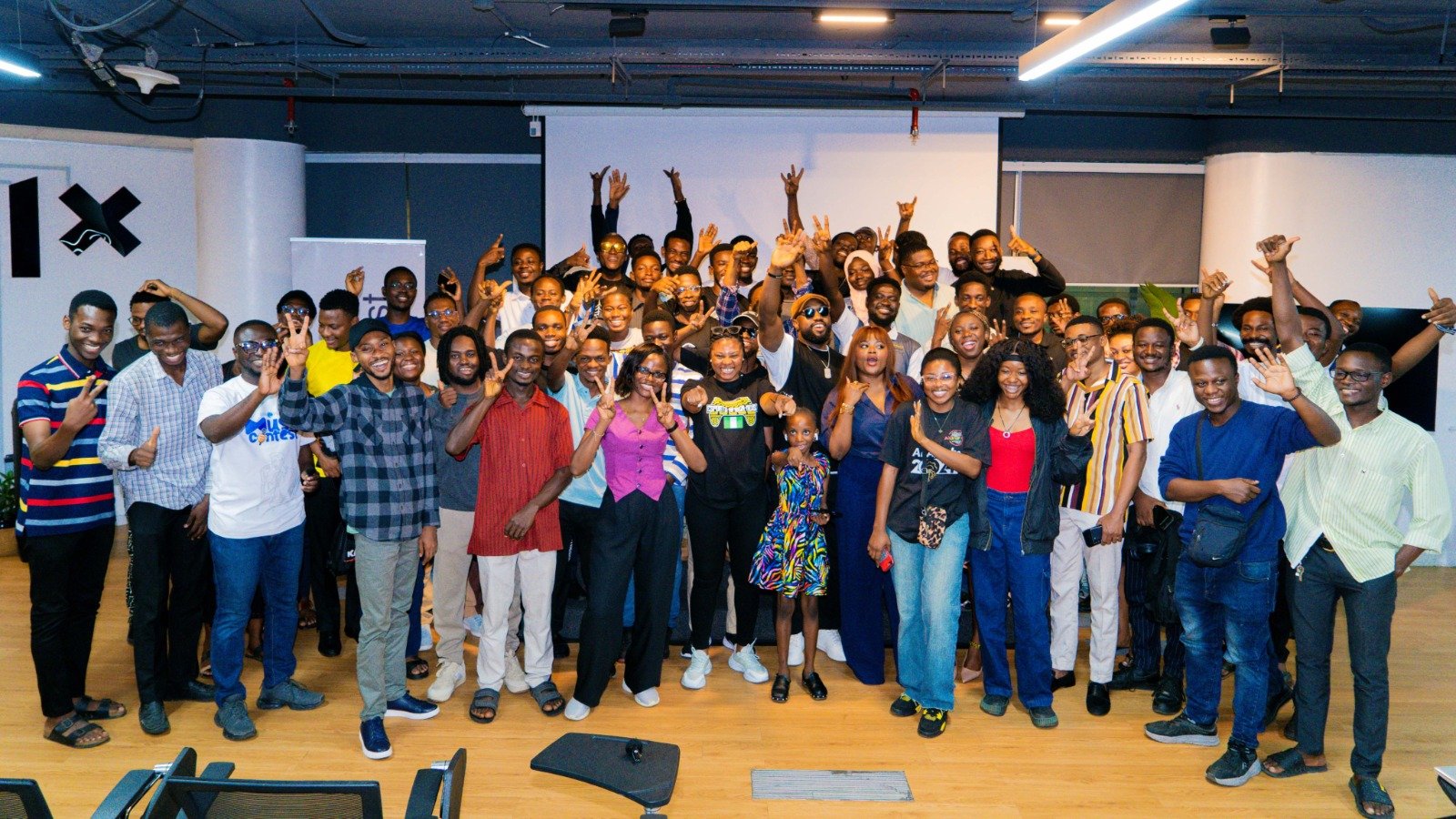
Several game studio founders who had once attended Africacomicade’s conventions as participants became sponsors themselves. Some helped fund the travel of students from places such as Ife and Enugu so they could spend a week in Lagos attending the convention.
For Michael, that was one of the clearest signs that the ecosystem was beginning to mature. 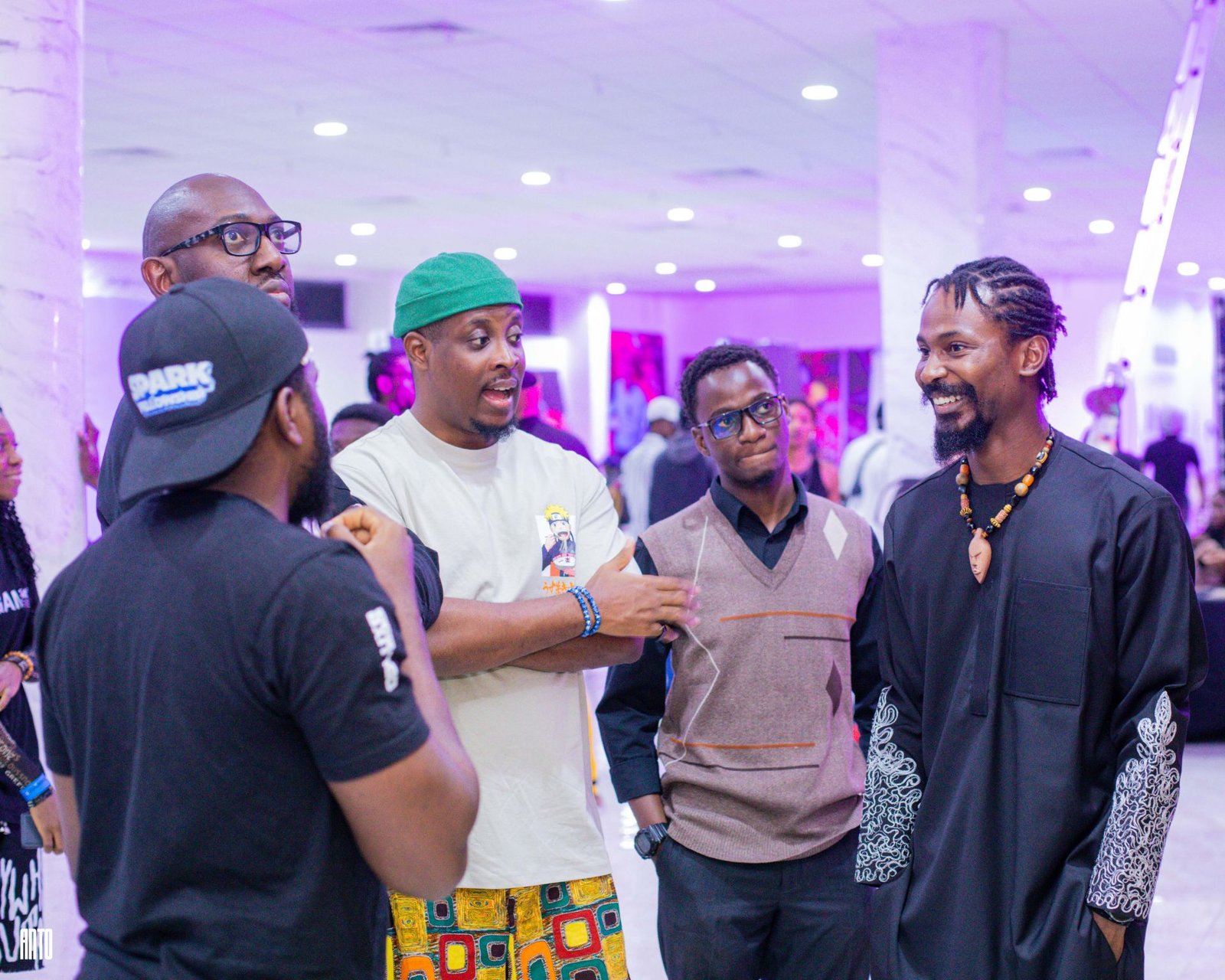
“It’s the kind of ecosystem I’ve always hoped to build,” he says, “one where people won’t encourage each other with words alone but also invest in one another financially.”
The money mattered, but so did what it represented. People who once needed support were now in a position to provide it to someone else. That is how an ecosystem becomes self-sustaining—not all at once, and not because one organization has solved every problem, but because participants begin to support the next generation.
The Year Everything Became Too Much
The progress did not come without a cost. Africacomicade’s fifth anniversary was meant to be a major milestone. The organization had a ten-year roadmap, and Michael wanted the halfway point to reflect the scale of what they were trying to build.
The team planned an industry report and a documentary on Africa’s gaming ecosystem. It also expanded the annual convention to four countries: Nigeria, Ghana, Kenya, and South Africa.
The ambition was large. The funding was not. Africacomicade received less than 30 percent of the funding it needed. The organization covered a significant portion of the remaining costs itself and took on debt to complete the work.
By the end, the team had held conventions across four countries, interviewed more than 70 stakeholders, and produced the material for the report and documentary. It was an achievement, but it also explains why the report took longer to publish than expected.
“After every event we organize, I’m usually completely exhausted,” he says. “Physically, emotionally, and financially.”
There were no easy resets. Each event used up money, energy, and time, and the next project often had to begin before the organization had fully recovered from the last one.
Behind those moments are months of fundraising, coordination, travel, unpaid work, and decisions about which bill can wait a little longer. Michael says there have been many points when he thought about giving up. In fact, the thought has appeared at almost every stage of the journey.
The work is lonely partly because the industry is niche. Founders in more established sectors may have access to mentors, investors, accelerators, and other companies that have already faced similar problems. Africacomicade had to build many of those support structures while trying to survive as an organization.
More Than a Business
The financial opportunity is one reason Michael keeps going. Africa’s gaming market is estimated at $1.8 billion, yet less than 3 percent of that money reaches African developers. Closing even part of that gap could create jobs, companies, and exportable intellectual property.
But the opportunity is not only financial. Michael sees games as a form of communication and cultural influence. Music and sports have long helped countries shape how they are understood worldwide. Film and animation do the same.
Games can carry culture across borders too, but they do it differently because they allow audiences to participate. A player is not only watching a story. They are moving through it, making choices, exploring a world, and spending time with its characters. That creates a different kind of connection.
Michael worries that if African creators do not build their own games and interactive worlds, African audiences will continue consuming stories created elsewhere without seeing enough of their own experiences represented.
This is not an argument for building games only for African audiences. Michael believes African developers should think globally from the beginning.
The strongest games are not limited by the nationality of the people who made them. A game can be shaped by a particular culture and still appeal to players everywhere. African developers should be able to do the same.
From Community to Infrastructure
Africacomicade is now moving into a new phase. The fellowships will become more structured and scalable, but the organisation also wants to build products for the industry itself. At the moment, many of its connections are made manually. The team helps developers find funding, prepare pitch decks, identify publishers, and access opportunities. The long-term goal is to turn more of that work into tools.
Between now and 2030, Michael wants Africacomicade to build products that support developers throughout the journey, from developing an idea and preparing for investment to finding a publisher and distributing a game.
The organisation also plans to begin developing games of its own. That may seem like a shift for a company that has spent the last six years supporting other creators. But Michael sees it as a natural next step. Africacomicade wants to demonstrate what can be built within the ecosystem it has helped create.
It is still not a traditional game studio. Its broader work covers games, comics, animation, and extended reality. Games remain at the centre because they bring together so many of those disciplines.
The next challenge is to move from connecting people to building systems that can continue working at a larger scale. For all the work Michael has done to build an ecosystem, one of his clearest lessons is personal.
A business should not depend entirely on its founder’s energy. There will be periods when a founder is tired, distracted, or unable to operate at full capacity. If every decision and every process still runs through one person, the organization will always be vulnerable.
“The real breakthrough comes when you become replaceable in your own company,” Michael says.
He is still learning how to do that himself. The work at Africacomicade remains closely tied to him, but he understands that systems have to outlast individual effort.
That may be the less visible part of building an industry. Events and fellowships are easier to point to. Systems are slower and less dramatic. They are also what determine whether the work can continue.
Michael does not present the journey as a clean story of steady progress. There have been moments of excitement, but also debt, exhaustion, doubt, and long periods when the organization had to rebuild its capacity before taking on the next challenge.
What has kept him going is the size of the gap. Africa has creators who can tell stories, design characters, build software, and imagine new worlds. What it has lacked is the structures that help those creators turn their ideas into sustainable businesses.
Africacomicade is one attempt to build those structures. It began with a comic-loving child who saw games as a powerful way to tell stories. It became a Pan-African community, then a training pipeline, then a bridge between creators, investors, publishers, and policymakers.
Now Michael is trying to build the infrastructure that can make the industry less dependent on improvisation. The work is not finished. In some ways, the hardest part is still ahead.
But the evidence of progress is beginning to show: in the creators who return as sponsors, the students who travel across cities to attend conventions, the studios finding their first opportunities, and the partners who believed early enough to help the work continue.
For Michael, that is what building an industry looks like—not one breakthrough, but a series of people and systems slowly