If you’re actively looking for a job, we know LinkedIn is one of those platforms that gives you the tools to connect, showcase your expertise, and discover opportunities that align with your career goals. But here’s the catch: You could upload a profile picture, a polished headline, and a long list of skills and still feel invisible.
According to LinkedIn, more than 52% of people globally are looking for a new role in 2026. Imagine a job hunter using this platform to find a suitable job. Showing up and applying for roles isn’t enough. You have to be strategic about it. Here’s how you can leverage LinkedIn for effective job hunting.
1. Optimize Your Profile
Your LinkedIn profile is your digital resume that provides information about who you are and what you specialize in. It’s how recruiters and headhunters find you. When companies search for candidates, they filter results to find profiles that match the criteria they need. So, If your profile doesn’t include the right keywords, skills, job titles, or experience, it’s likely that you miss out on job opportunities.
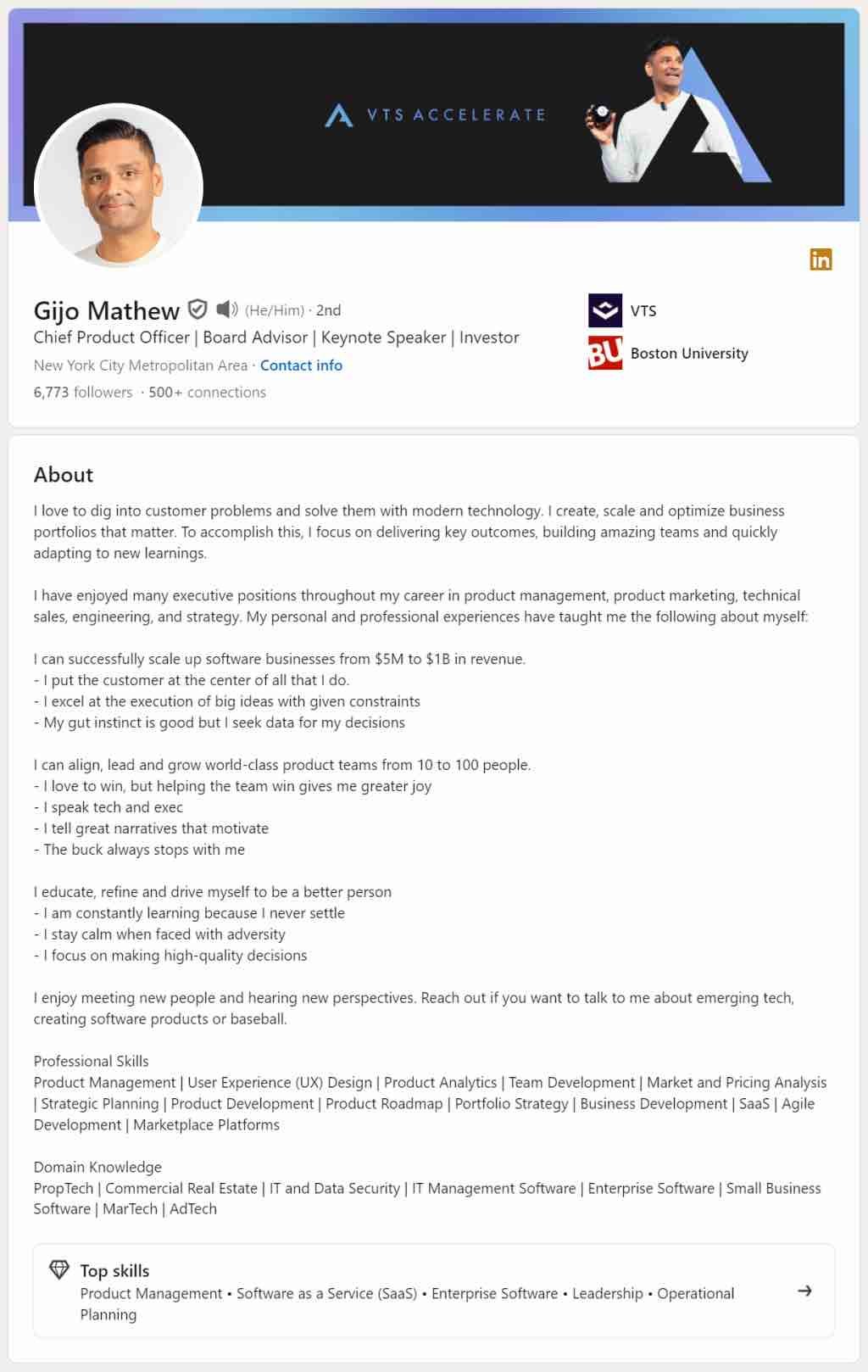
Take the profile above as an example. It’s clear, keyword-rich, and intentional. From the headline to the “About” section, you immediately know who this person is, what he does, and the value he brings. The language aligns with how decision-makers search, and the profile tells a compelling story without trying too hard.
2. Build Meaningful Networks
Most job opportunities on LinkedIn don’t slip in from applications. They come from relationships. Recruiters notice professionals who stay visible and engaged. By building connections early, engaging with content, and being clear and consistent about your career direction, you make it easier for the right people to think of you when roles open up. If you missed my last post on networking for job opportunities, click the link to read it. It breaks this down in detail.
3. Set Up Job Alerts
Use job search features to target roles that excite you. You could also turn on the “Open to Work” feature. Some people worry this label comes across as desperate, but in reality, it’s simply a signal of availability, not need. What matters more than the setting itself is how you show up.
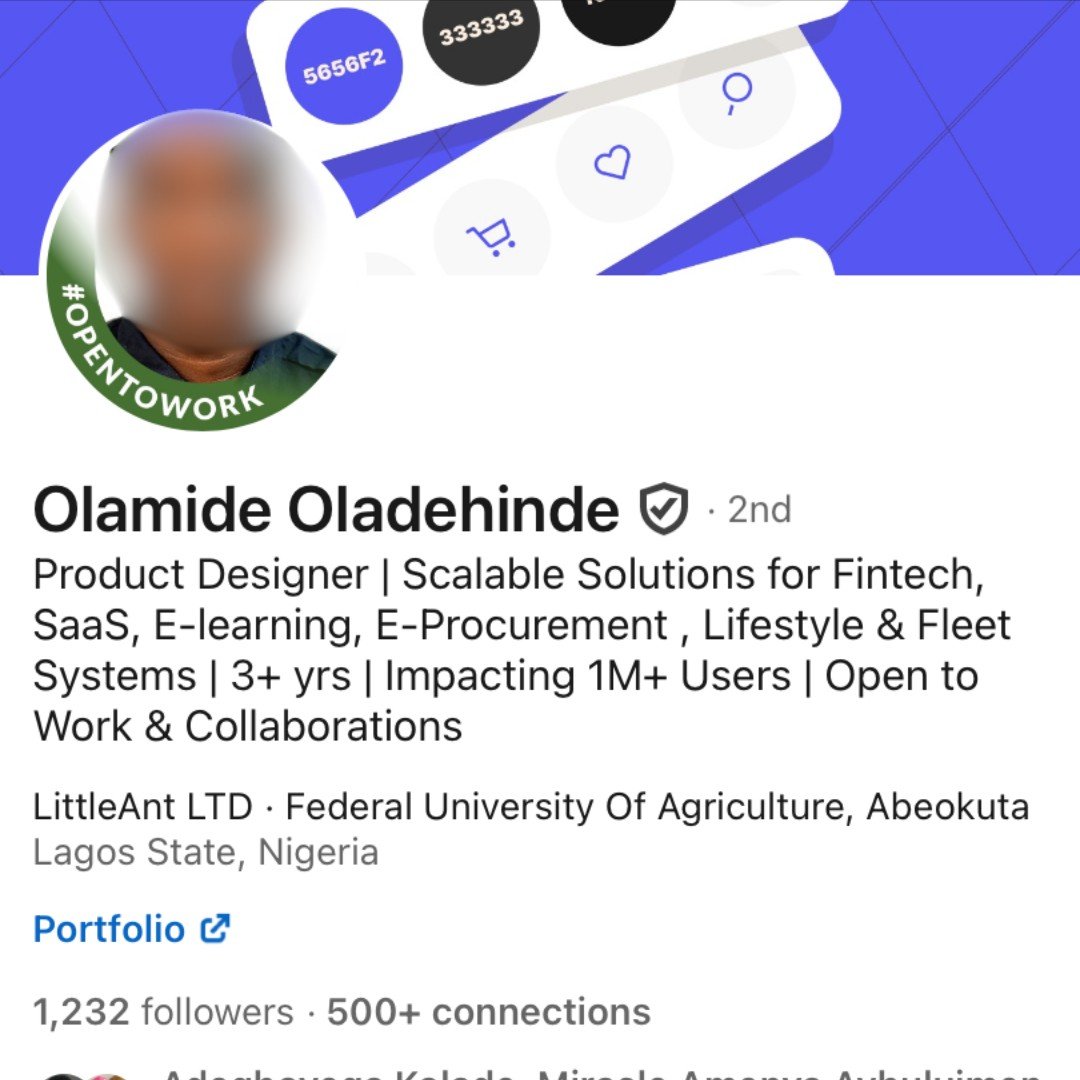
Waiting quietly in the background rarely gets results; visibility comes from activity, not settings alone. When your profile, posts, and interactions consistently demonstrate value, “Open to Work” becomes a context, not a crutch. You move from being just available to being noticeable.
4. Show Your Credibility
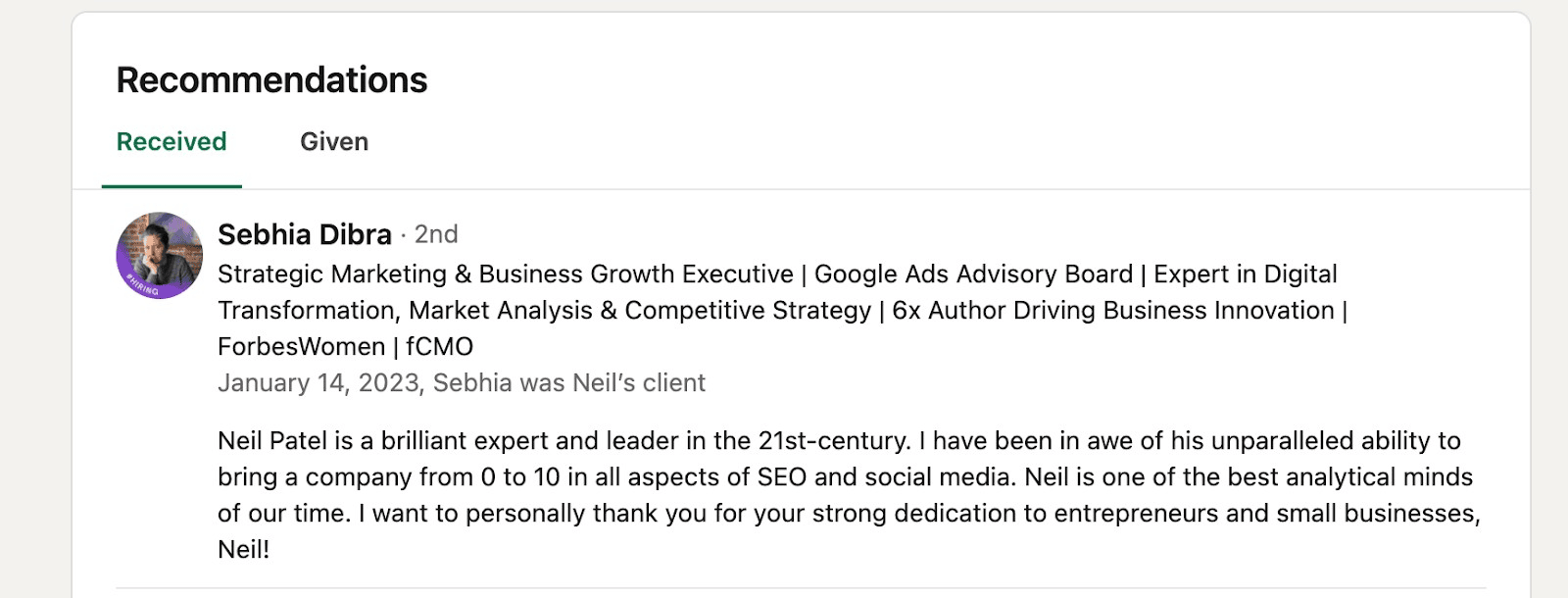
Recommendations are more than compliments; they’re social proof that you deliver results and collaborate effectively. They show recruiters and potential collaborators not just what you do, but how you do it. A strong, genuine recommendation adds authenticity to your profile and can make the difference between being noticed and overlooked. Leveraging them strategically on LinkedIn positions you for more opportunities and strengthens your professional brand. This is the kind of recommendation that gets attention.
5. Use Advanced Search
If you want to find opportunities before everyone else, LinkedIn’s Advanced Search is your secret weapon. Instead of endlessly scrolling, go to Jobs, search for your role (e.g., Product Manager), click All filters, and narrow results by location, experience level, and date posted (past 24 hours or past week). This helps surface fresh roles with fewer applicants, increasing your chances of being noticed.
You can also search your target company, open the People tab, and filter by titles like “Recruiter,” “Talent Partner,” or “Hiring Manager,” and turn on notifications. This helps you spot hiring signals in real time and act before roles are widely advertised. Furthermore, to find roles that aren’t officially posted, search LinkedIn posts for phrases like “we’re hiring” or “looking for” and filter by recent activity. Engaging early puts you ahead of the formal hiring process.
When you use LinkedIn for job hunting this way, it stops being a tool and becomes a professional ecosystem where you’re no longer passively applying—you’re navigating the platform with intent, showing that you understand how hiring actually happens, and positioning yourself as someone who belongs in the conversation early.